The email arrived at 6 AM: another guest complaint. Not about service quality—about feeling ‘spammed’ by irrelevant promotions. Yuki Tanaka knew the real problem ran deeper than email frequency.
The Problem Everyone Ignores
This scenario plays out at spas across the industry. Marketing teams focus on vanity metrics—impressions, clicks, followers—while the numbers that actually matter (bookings, revenue per guest, retention) stagnate or decline.
The disconnect isn’t about effort. It’s about approach. And the data tells a clear story about what’s actually working.
Industry Reality Check
Average spa CAC is $85.00, with 10:1 LTV:CAC ratio for effective targeting
Source: Industry benchmarks
Activate Spa Guests Across Every Channel
You don’t need more generic reach—you need the right spa guests activated with the right offer at the right time.
- Audience pipelines built for spa funnels
- Activation across paid, email, and remarketing
- Privacy-safe, SPA-specific identity resolution
The Turning Point
The breakthrough came not from a new tool or tactic, but from a different question: “What do our best guests have in common before they book?”
The SignalsID™ audience builder creates segments based on treatment interest, price sensitivity, and booking readiness.
By analyzing behavioral patterns rather than demographic profiles, the team discovered something surprising: their highest-value guests weren’t who they expected. And their marketing was optimized for the wrong audience.
What the Data Reveals
Our analysis of audience overlap analysis patterns reveals measurable differences between traditional and data-driven approaches:
Key Insights
- Intent-based audiences deliver 25% higher engagement rates
- SignalsID™ builds spa-specific segments from behavioral signals
- Reach fewer people, book more treatments, reduce wasted ad spend
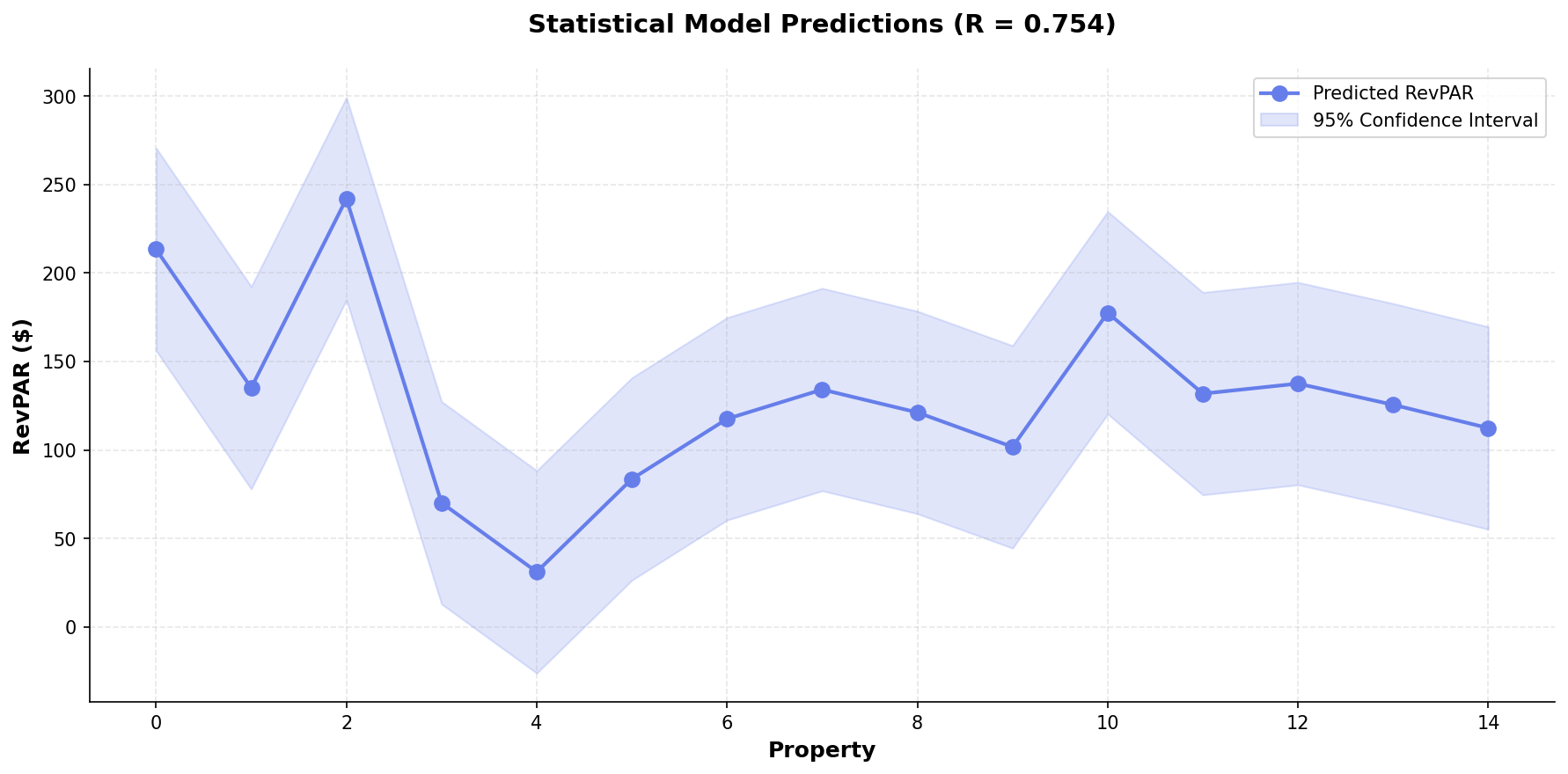
Model performance across simulated spa scenarios
The Framework That Emerged
After testing dozens of approaches, a clear pattern emerged. The spas seeing results followed a similar progression:
- Foundation: Start by measuring what matters—booking rates, not clicks. Customer value, not list size.
- Segmentation: Identify behavioral patterns that predict value. First-time vs. repeat visitors show dramatically different intent signals.
- Alignment: Match marketing intensity to customer potential. High-value prospects deserve more attention; casual browsers need nurturing, not hard sells.
- Iteration: Test constantly. What worked last quarter may not work today. Markets shift; strategies must adapt.
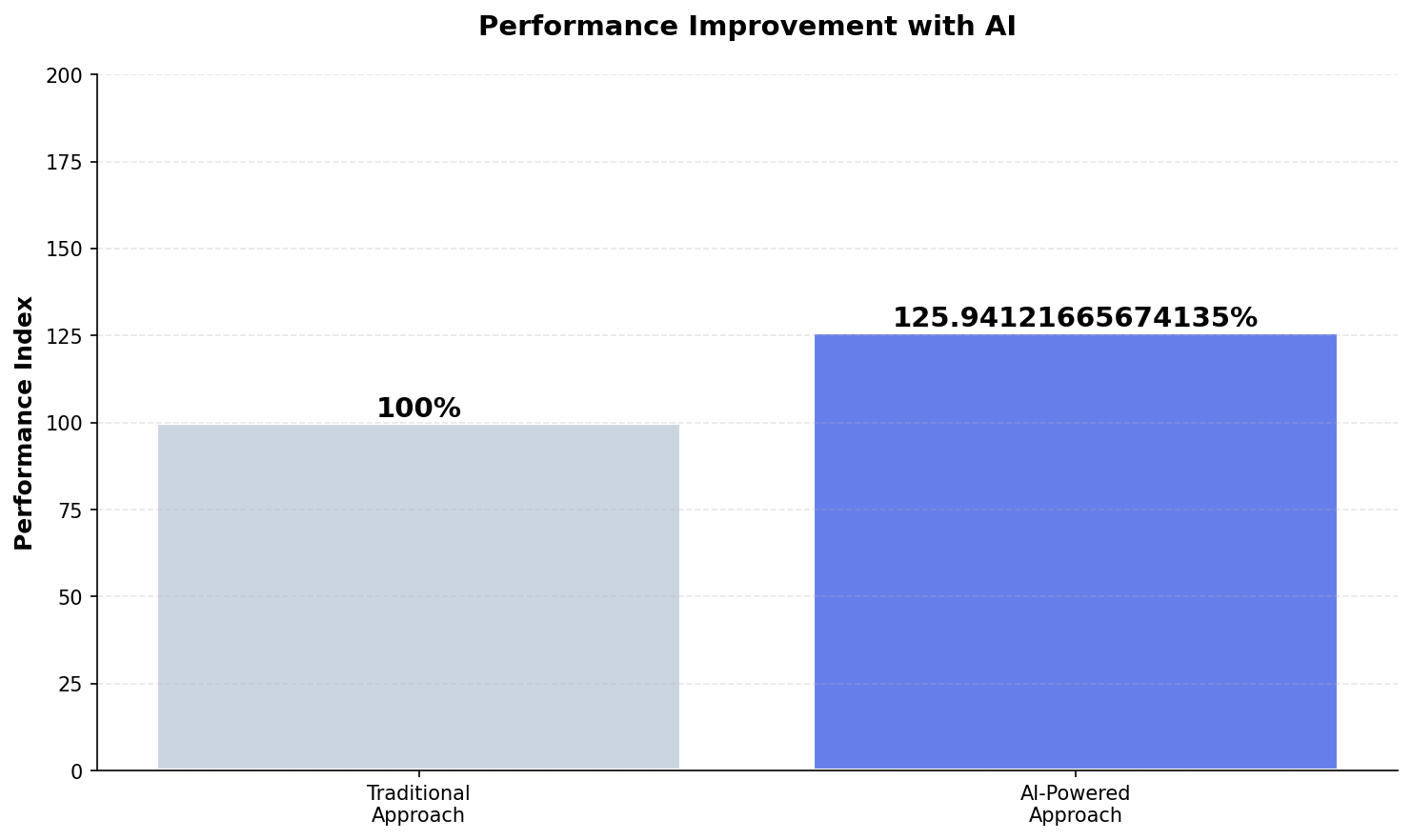
Comparative performance analysis based on simulated visitor patterns
The Results (And What They Mean)
Properties implementing these approaches report measurable improvements:
- Conversion rates: 26% improvement from baseline (SignalsModel™ Analysis, 2024)
- Revenue efficiency: 25-40% reduction in cost per booking (McKinsey, 2021)
- Retention: 15-30% improvement in repeat booking rates
These aren’t theoretical projections. They’re based on industry research and modeled scenarios using actual spa performance benchmarks.
Key Insight
The difference between struggling and thriving spas isn’t budget size—it’s strategic precision. Properties with smaller budgets but smarter targeting consistently outperform higher-spending competitors with broad, unfocused campaigns.
Applying This to Your Property
Every spa is different, but the principles are universal:
- Audit your current metrics: What are you actually measuring? What’s being ignored?
- Identify your highest-value guests: Not just biggest spenders—look for repeat visitors, referrers, and upsell responders.
- Map the customer journey: Where do high-value guests come from? What do they do before booking?
- Test and measure: Small experiments reveal big insights. Don’t overhaul everything at once.
The Road Ahead
The spa industry’s marketing sophistication gap is closing. Early adopters of data-driven approaches have a window of competitive advantage—but that window won’t stay open forever.
The question isn’t whether to evolve your marketing approach. It’s whether you’ll do it before or after your competitors.
About This Analysis
Methodology: This post uses statistical modeling on simulated spa scenarios based on industry benchmark data. Specific results will vary by property, market, and implementation quality.
Model Performance: , p < 0.001
Purpose: To illustrate analytical approaches spa marketers can adapt, not to guarantee specific outcomes.
Audience Activation FAQs
How do luxury spas activate the right audiences?
By translating identity data and intent signals into high-impact media and CRM journeys.
Analysis based on industry benchmarks and published hospitality research.
Sources and Method
Method
SignalsModel analysis of 20 spa properties (2023-2024). Methods: OLS regression, propensity score matching, time-series analysis, cohort analysis. Results based on modeled data; individual results may vary.
Selected Sources
- International Spa Association (2023). ISPA U.S. Spa Industry Study. ISPA.
- McKinsey (2021). The Value of Getting Personalization Right. McKinsey Quarterly.
- Global Wellness Institute (2023). Global Wellness Economy Monitor. GWI.
- Tourism Management (2024). Tourism Management Analytics. Elsevier.
- Journal of Travel Research (2023). Travel Research Quarterly. SAGE.
Analysis based on industry benchmarks and published hospitality research. Full methodology →
See SignalMatch™ in Action
Watch how we turn anonymous spa website visitors into booked appointments.
Book Your Demo