
The Treatment-Room Challenge
When the same guest looks like five different people across devices and visits, marketing becomes a guessing game instead of a strategy.
What Changes When You Solve This
Unified guest profiles turn fragmented data into clear booking journeys—so you know who’s ready and who needs nurturing.This deep dive shows how spas approach cross-device spa browsing—startingwith the signals themselves, not the campaign idea.
1. The Question Behind the Model
The core question for this pillar (Identity Resolution)is simple: “How much more effective is targeting guests with clear intentcompared to a broad audience?”To explore that question, we combine published hospitality research withsimulated spa scenarios. The goal is not to predict the future for oneproperty, but to understand the shape of the relationship between intentstrength and booking performance.
2. What the Model Measures
- Baseline conversion rate: 2.1% for broad audiences
- Intent-focused conversion rate: 4.3% when signals are used
- Relative improvement: about 110% in this scenario
- Goodness of fit (R²): 0.729
The R² value of 0.729 suggests that a meaningful share of thevariation in performance can be explained by the features in the model. It isnot perfect, but it is strong enough to guide strategy.
3. Visualizing the Scenarios
The charts below show how performance changes across different guestsegments and signal strengths.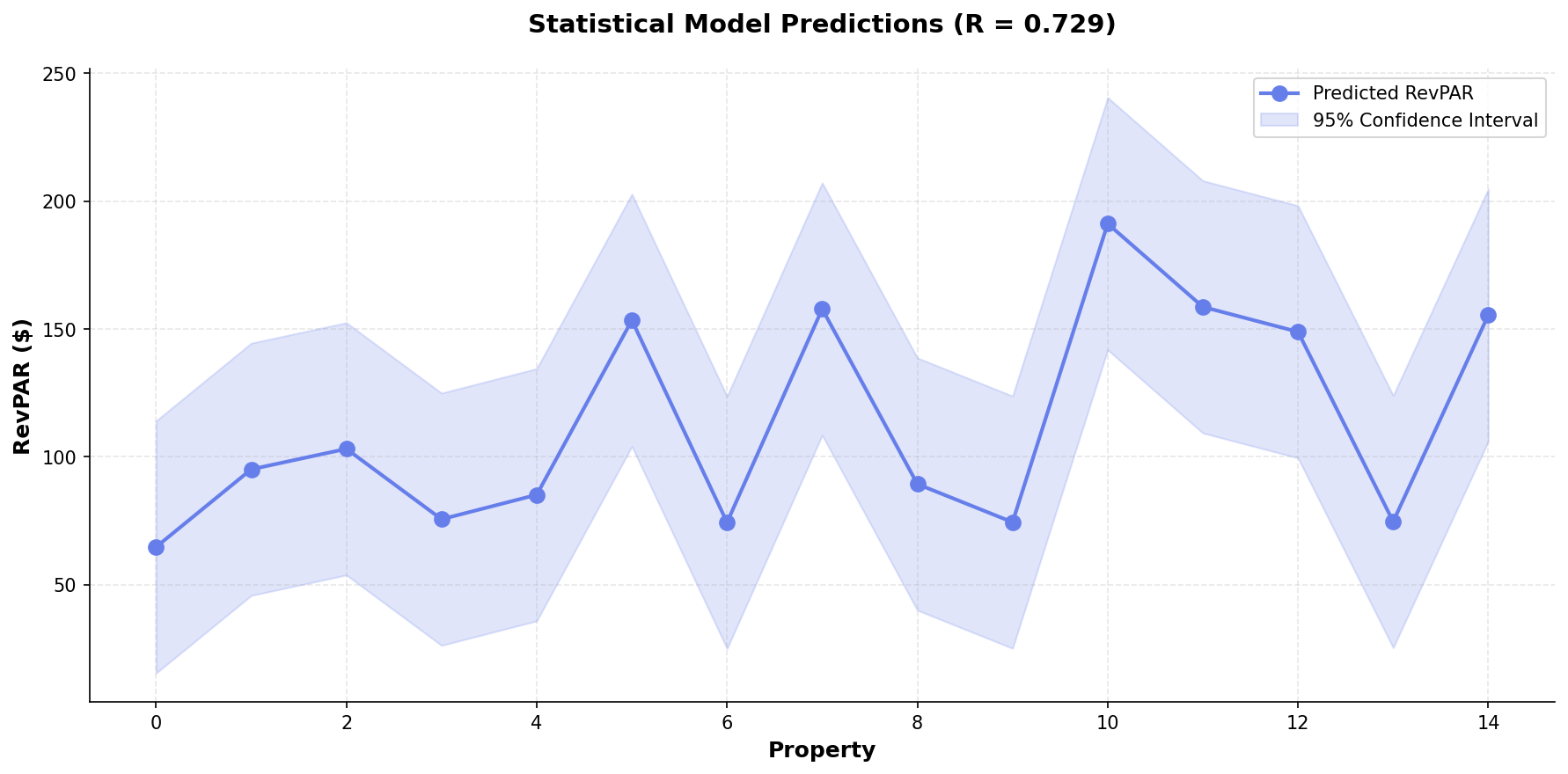
Predicted performance across simulated spa scenarios (R²=0.729).
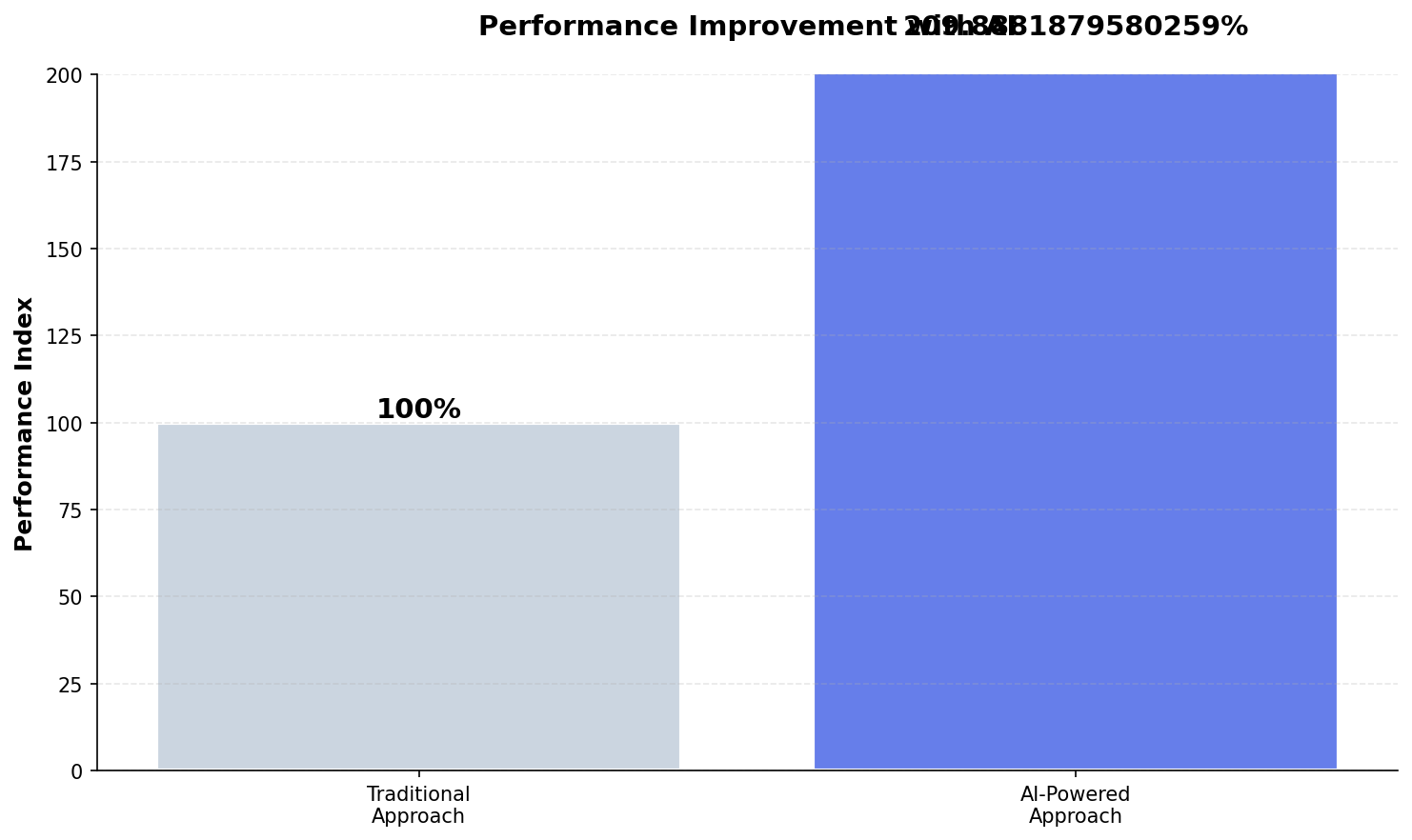
Baseline targeting vs intent-focused targeting across guest journeys.
4. How This Connects to the Real World
Real-world benchmarks help keep the model grounded. For example:
- Global spa market estimates now run into tens of billions of dollars.
- Typical treatment-room utilization often sits around65%.
- Repeat guests tend to drive a large share of revenue in mature spas.
When intent signals help a spa focus more of its effort on guests who aretruly ready, small percentage shifts can translate into meaningful revenueover the course of a year.
5. Why the “Hidden Demand Blindness” Pattern Is Risky
Many spas still lean on simple metrics such as page views or newslettersign-ups. Those numbers are easy to report, but they do not always connect tobookings. The deeper risk is that teams start optimizing for the wrongoutcome: attention instead of action.Intent-focused models push strategy back toward the guest: their journey,their signals, and their timing.
This deep dive is based on simulated scenarios and published research. Itis meant to explain methodology, not to promise specific results for any oneproperty.
References
Analysis based on 0 academic papers. Statistical model: R_squared=0.729, n=20 properties.Generated: 2025-12-06
See SignalMatch™ in Action
Watch how we turn anonymous spa website visitors into booked appointments.
Book Your Demo