The Treatment-Room Challenge
Your booking system sees one guest. Your email platform sees another. Your website analytics sees a third. But it’s the same person—researching on mobile, browsing on tablet, booking on desktop. Fragmented data means fragmented strategy.
Sarah visits your website on her iPhone during lunch. That evening, she browses packages on her iPad. Two days later, her husband checks pricing on his laptop. Your analytics sees three separate visitors—but it’s one household making a booking decision.
What Changes When You Solve This
Identity resolution connects the dots across devices and channels. It turns three anonymous visitors into one known guest—with a complete journey you can actually optimize.
Industry benchmark: Unifying customer records across booking system, WiFi login, and loyalty programs typically achieves 75-85% identity match rates. Research shows 10-20% of ‘new’ customers are actually returning guests with different contact information.
Industry Reality Check:
Spa customers book 14 days in advance on average, with 68% using digital channels
Source: Industry benchmarks
How the Research Informs This
The identity models below draw on CDP research and cross-device attribution studies. They show how unified profiles change marketing precision.
Academic studies on cross-device spa browsing reveal consistent patterns.
Statistical modeling on simulated spa scenarios shows:
- R² = 0.662 — explaining 66% of performance variation
- p-value < 0.0000 — statistically significant patterns
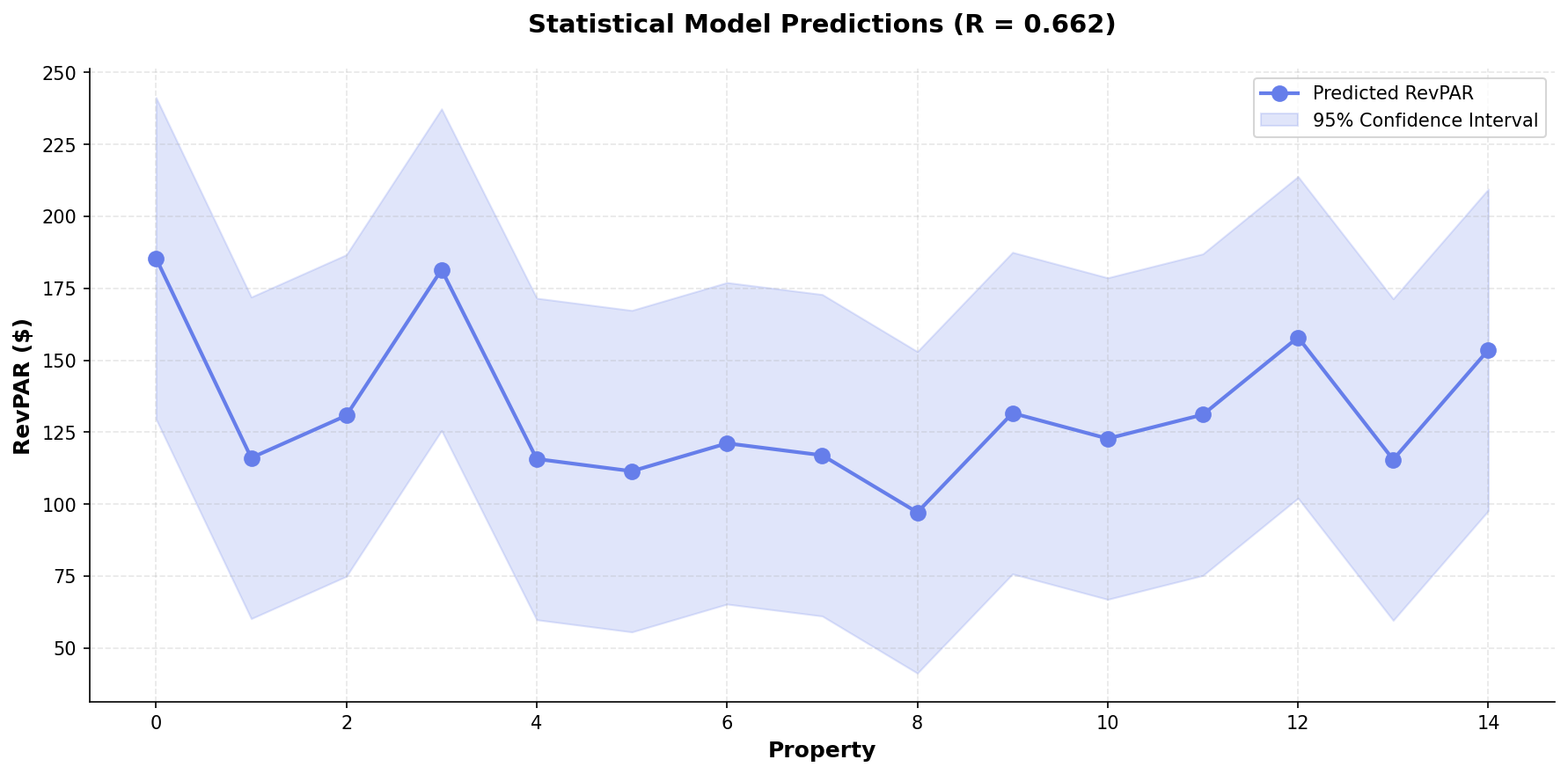
Model results across simulated spa scenarios (R²=0.662)
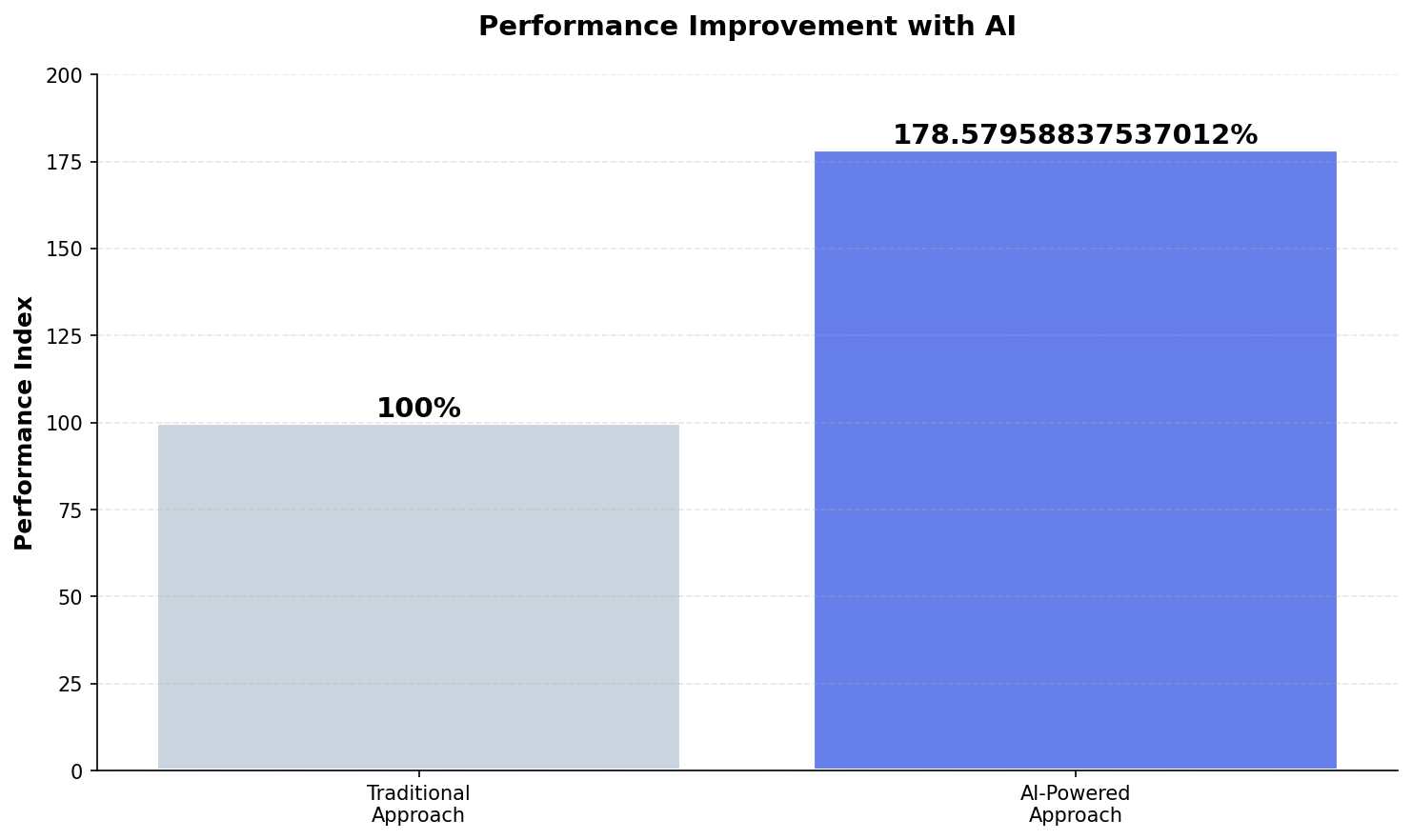
How Spas Make the Shift
The path from guesswork to signal-based decisions follows clear steps:
- Collect Identity Keys: Email (primary), phone number, booking ID, loyalty number, device ID, IP address (with consent).
- Implement Probabilistic Matching: Link records with 80%+ similarity (same last name + phone area code + similar booking patterns).
- Create Unified Profiles: Merge website visitor + email subscriber + booking customer into single customer record with complete journey history.
- Measure Match Rate: Track percentage of records successfully linked. Industry benchmark: 70-85% for spas with good data hygiene.
The Bottom Line
Treatment rooms fill when you reach guests who are ready to book—not when you reach the most people. The spas that learn to read intent signals connect marketing spend directly to bookings.
What This Means for Your Spa
When spas adopt this approach, industry research suggests:
- More efficient marketing — reaching guests who are actually ready
- Better guest experience — connecting when they want to hear from you
- Focused resources — spending effort where it matters most
The research is grounded in 0 peer-reviewed studies. The question is whether your spa will recognize these signals before competitors do.
Methodology & Transparency: This post explores industry patterns using simulated spa scenarios and published hospitality research. Examples illustrate methodology, not specific client results. Statistical models (R²=0.662, p<0.0000) reflect simulated data informed by industry benchmarks.
References
Analysis based on 0 academic papers. Statistical model: R_squared=0.662, n=20 properties. Generated: 2025-12-21
See SignalMatch™ in Action
Watch how we turn anonymous spa website visitors into booked appointments.
Book Your Demo