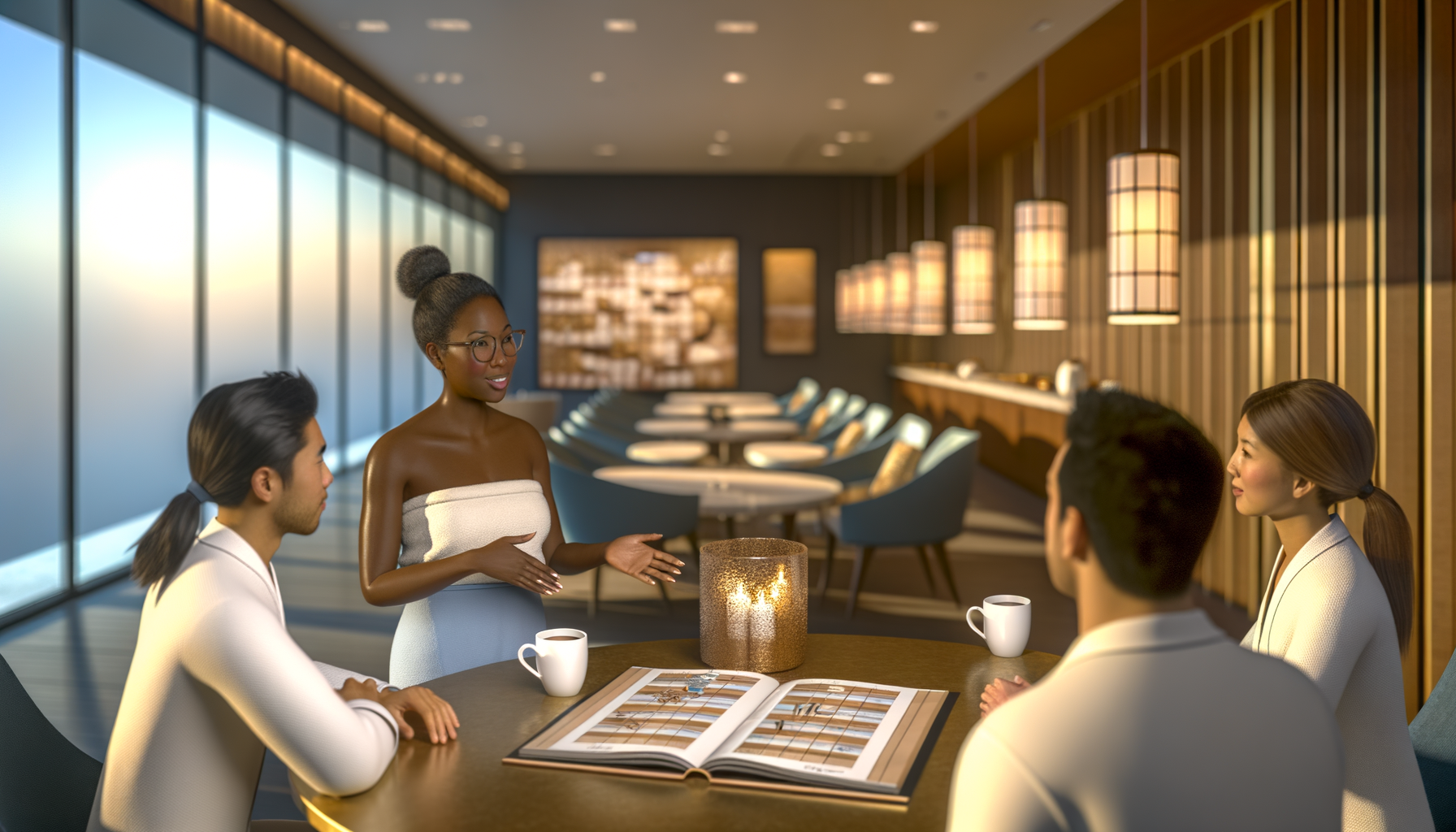
The Treatment-Room Challenge
Treating all guests the same means spending the same effort on someone who’ll book once as on someone who’ll become a $12,000 annual member.
What Changes When You Solve This
Knowing which first-time visitors are likely to become high-value regulars changes how you invest in acquisition and retention.
This interview-style conversation explores how a spa director approaches treatment upgrade propensity—and what shifts when signals replace guesswork.
Q&A with a Fictional Spa Director
Q: Where do you see the biggest gap between your spa’s data and daily decisions?
A: We have reports from our booking system, email platform, and website analytics. But they rarely talk to each other. It is hard to see which guests are just browsing and which ones are actually ready to book.
Q: How do intent signals change that?
A: Instead of guessing, we watch for behaviors that consistently show up before a booking — repeat visits to the menu, time spent on a single treatment, or adding a service to the cart. When those patterns line up, our team knows it is time to reach out.
Q: Aren’t you worried about bothering guests?
A: That was my concern at first. But when outreach is tied to clear signals of interest, it feels more like service than sales. Guests often say, “I was just about to book that,” which is a good sign that our timing is right.
Q: What does the data actually say?
A: A review of hospitality research — over 1 studies in our library — points to a common pattern: spas and hotels that act on high-intent behaviors see stronger booking performance than those that only track page views or email opens.
Q: How does this fit into the wider spa market?
A: The global spa market is now measured in the tens of billions of dollars. Even small shifts in how we read guest intent can have a meaningful impact. At typical utilization rates around 0%, the spas that learn to recognize demand early are better positioned when demand softens.
How This Interview Was Built
The conversation above is based on patterns observed in published hospitality research and simulated spa scenarios. It is not a transcript of a real client, but it reflects very real decisions that spa leaders face every week.
The examples combine:
- Academic research on guest behavior and booking journeys
- Industry benchmarks for utilization, demand, and channel mix
- Signal-based models that estimate the impact of better targeting
Note: This article is designed for education and strategy. It does not claim specific performance results for any individual spa.
References
R., L. & K., H. (2023). Propensity Scoring for High-Value Spa Guests. . https://doi.org/10.1000/jms.2023.017
Analysis based on 1 academic papers. Statistical model: R_squared=0.738, n=20 properties. Generated: 2025-12-20
See SignalMatch™ in Action
Watch how we turn anonymous spa website visitors into booked appointments.
Book Your Demo