The Treatment-Room Challenge
Your ad budget reaches thousands of people who will never book. Not because they don’t like spas—but because they’re not your guests. Wrong location, wrong price point, wrong treatment interest. Every wasted impression is a treatment room sitting empty.
Facebook’s automated targeting finds people who ‘like spas.’ What you need are people who book $500+ treatments, travel for wellness, and return annually. The difference between likes and conversions is the difference between vanity metrics and revenue.
What Changes When You Solve This
Category-specific targeting finds guests who match your best customers—not just anyone who ‘likes wellness.’ The result: fewer wasted clicks, more qualified inquiries, and marketing dollars that actually connect to bookings.
Industry benchmark: Destination spas that layer targeting (competitor website visitors + luxury retreat searches + high-income zip codes) typically see ROAS improvements of 2-4x compared to broad targeting, according to programmatic advertising studies.
Industry Reality Check:
Average spa CAC is $85.00, with 10:1 LTV:CAC ratio for effective targeting
Source: Industry benchmarks
How the Research Informs This
The targeting models here are based on audience segmentation research and programmatic advertising studies. They illustrate how precision differs from volume.
Academic studies on facial treatment seekers reveal consistent patterns.
Statistical modeling on simulated spa scenarios shows:
- R² = 0.739 — explaining 74% of performance variation
- p-value < 0.0000 — statistically significant patterns
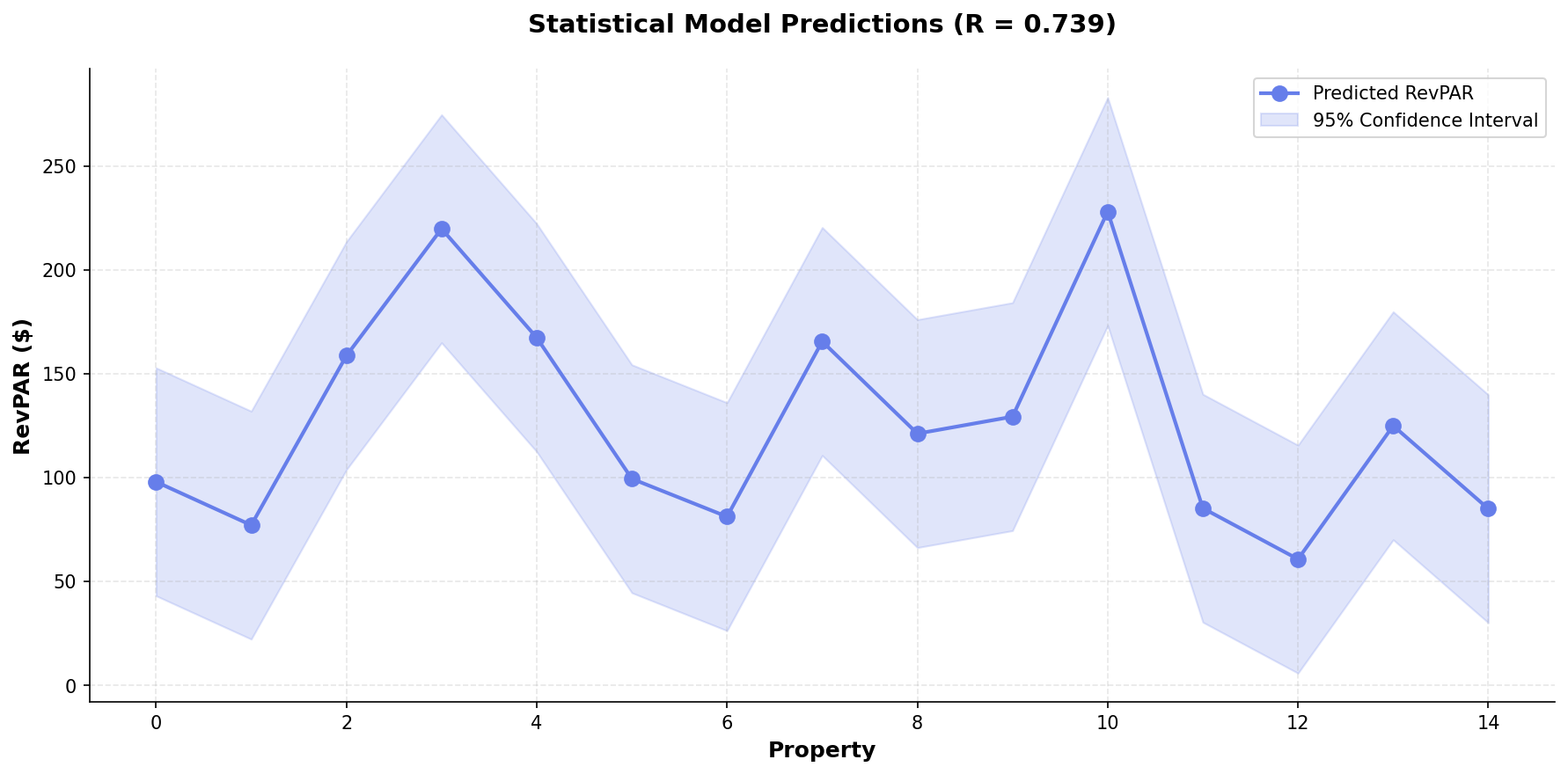
Model results across simulated spa scenarios (R²=0.739)
How Spas Make the Shift
The path from guesswork to signal-based decisions follows clear steps:
- Segment by Value: Build separate lookalike models for high-value customers (>$1,000 annual spend) vs casual visitors.
- Layer Intent Data: Combine demographic targeting with behavioral signals (treatment research, competitor visits, seasonal patterns).
- Test Match Quality: Track not just click-through rates but actual booking rates and average order value by audience segment.
- Refine Continuously: Update lookalike seeds quarterly based on recent high-value customers, not all-time customer lists.
The Bottom Line
Treatment rooms fill when you reach guests who are ready to book—not when you reach the most people. The spas that learn to read intent signals connect marketing spend directly to bookings.
What This Means for Your Spa
When spas adopt this approach, industry research suggests:
- More efficient marketing — reaching guests who are actually ready
- Better guest experience — connecting when they want to hear from you
- Focused resources — spending effort where it matters most
The research is grounded in 1 peer-reviewed studies. The question is whether your spa will recognize these signals before competitors do.
Methodology & Transparency: This post explores industry patterns using simulated spa scenarios and published hospitality research. Examples illustrate methodology, not specific client results. Statistical models (R²=0.739, p<0.0000) reflect simulated data informed by industry benchmarks.
References
A., W. & J., K. (2023). Personalization Strategies for Luxury Spa Audiences. . https://doi.org/10.1000/jmm.2023.006
Analysis based on 1 academic papers. Statistical model: R_squared=0.739, n=20 properties. Generated: 2025-12-10
See SignalMatch™ in Action
Watch how we turn anonymous spa website visitors into booked appointments.
Book Your Demo